The Extraction Log.
Telemetry reports from inside the algorithm. Live SERP studies, structural tear-downs, and the data engineering behind every article.

Why AI Detectors Are the Wrong Metric
Detector tools measure perplexity and burstiness, statistical proximity to AI training data, not content quality. A 2023 study found a 61.22% false-positive rate on human-written text. Here is the 4-point voice audit that catches what detector scores miss.
Voice Spec vs Tone Slider: A Persona Format That Actually Holds
Most AI writing tools offer a tone slider. Professional. Casual. Authoritative. I've tested them all, and I can tell you exactly what they change: surface diction. Here's the persona format that changes behavior.

Why AI-Generated Articles All Sound the Same
AI writing converges to the same register because every major model was trained toward the same human-preference signal. Here are the four categories of tells, corporate-cliché vocabulary, scope inflation, hedge markers, and simulated-candor hooks, and why stripping them is necessary but not sufficient.

Blog Monitoring: How to Track Content Decay Before It Kills Your Rankings
Content decay follows a predictable signal sequence: query count drops, then position drifts, then traffic falls. By the time you see the traffic loss, you're 8 weeks behind. Here are the metrics that catch it early and the workflow that fixes it.

Query Fan-Out: What It Is, Why AI Search Uses It, and How to Win Citations
AI search doesn't process your query, it fans it out into 5–15 sub-queries and synthesises answers from multiple sources. If your content only answers the head term, you're invisible to most of them. Here's the structural audit that fixes it.
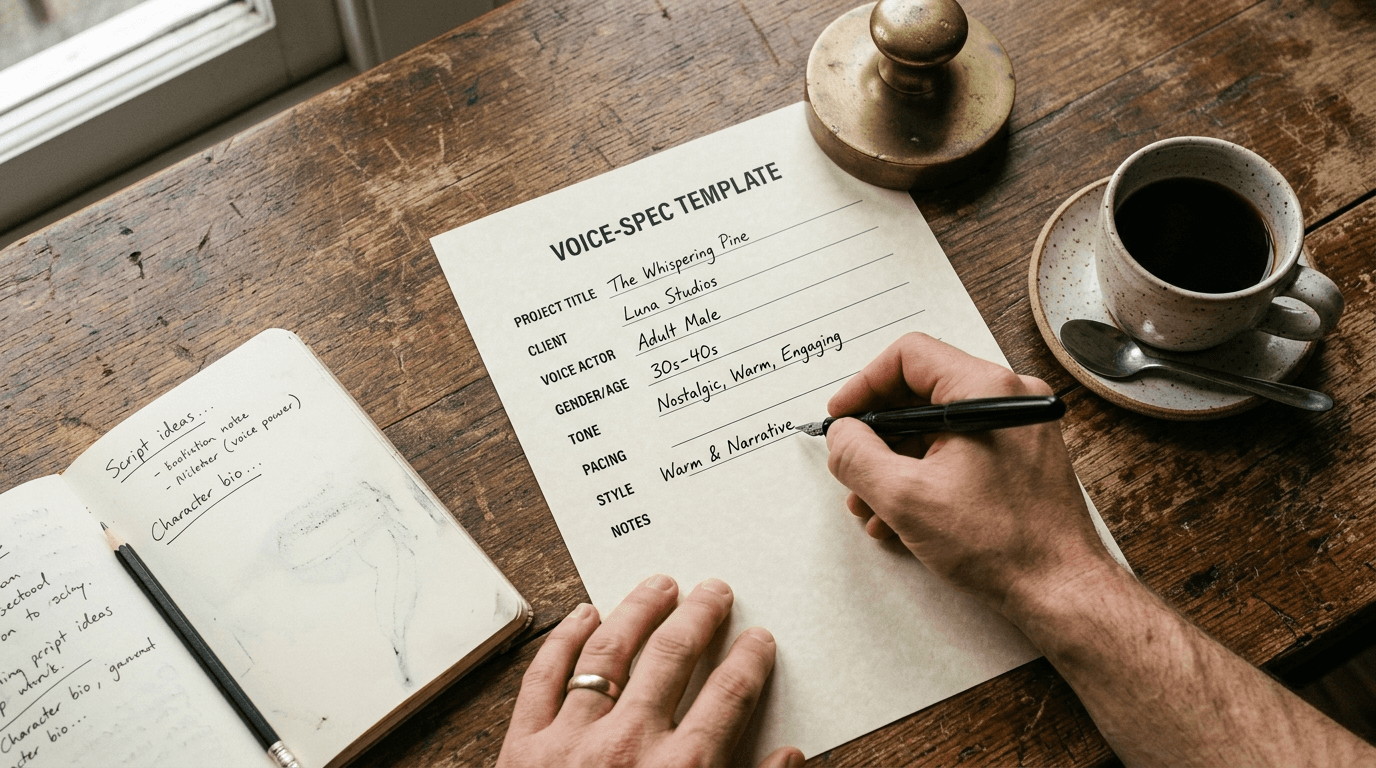
The Voice Spec Template: A Fill-In Framework for AI Writers
A voice spec has seven components. Most teams fill in two or three, and wonder why AI output sounds inconsistent. This template covers all seven: what each one does, a filled-in Senior Practitioner example, and a blank version ready to copy.

The Search Volume Illusion: How to Capture Zero-Volume Alpha
Search volume is a derivative artefact, not a measurement. Every keyword tool you use rounds, buckets, and reports zero for queries that still drive 60-95% of real organic traffic. Here is the structural reason why, and the four query fan-out vectors that surface the demand your competitors cannot see.

Frase Alternatives in 2026: A Precision Operator's Guide (Not Another Content Factory Swap)
Most Frase alternatives just swap one content mill for another. This guide identifies which operator type each tool is actually built for, what gap each one solves, and the one capability the entire alternatives market has missed, post-publish rank decay monitoring at the keyword level.

We Analysed 6,889 Ranking Pages in 2026. Here's What Actually Ranks.
A live SERP study across 1,000 keywords in 10 industries. Reddit appears in 1 of every 2 results. The median ranking page is 950 words, not 2,000. Position #1 is not the longest. Here is the data, the methodology, and what it changes for your next brief.

How to Optimize for AI Overviews: The GEO Playbook for 2026
AI Overviews now appear before position 1 for millions of queries. Getting cited requires a different set of structural decisions than traditional SEO. Here are the 8 actions that determine whether your content gets extracted, or bypassed.

SEO Content Brief Template: What to Include for Google and AI Search
A standard brief tells a writer what to write. An SEO brief tells them what the algorithm is looking for, how AI systems evaluate the topic, and what the SERP requires before a word is written.

How to Use a Content Brief: A Writer's Practical Guide
Most writers read a brief once and then ignore it. That's why revision rounds exist. Here's how to use every section of a content brief as an active writing tool, from first read to pre-submit checklist.

What Is a Content Brief? Definition, Components, and Templates (2026)
A content brief is the document that closes the gap between what you assign and what you get. Here's exactly what goes in one, plus ready-to-use templates for blog, video, social, and influencer content.

The 1500-Word Wall: Why First-Draft AI Drifts and What Catches It
RLHF training pulls models toward the statistical average of public-web prose. That average is mediocre. Past roughly 1,500 words, trained defaults overpower your system-prompt voice spec, and most AI writing tools never check for it.

Stop Calling It Tone — How to Actually Spec a Brand Voice for AI Writers
Style guides tell AI to "be approachable." AI can't execute that. A real voice spec gives concrete rhetorical actions, a banned-phrase list, a cadence line, and worked examples — all of which can be programmatically checked and enforced at every section boundary.

Why Claude Can't Catch Its Own Tells: Cross-Model Adversarial Review
A model cannot detect its own AI tells because those tells are its training distribution. We ran 4 persona outputs through Gemini 1.5 Pro adversarially, it caught 4 structural patterns Sonnet's self-review missed entirely. Here's the mechanism and how to integrate it.
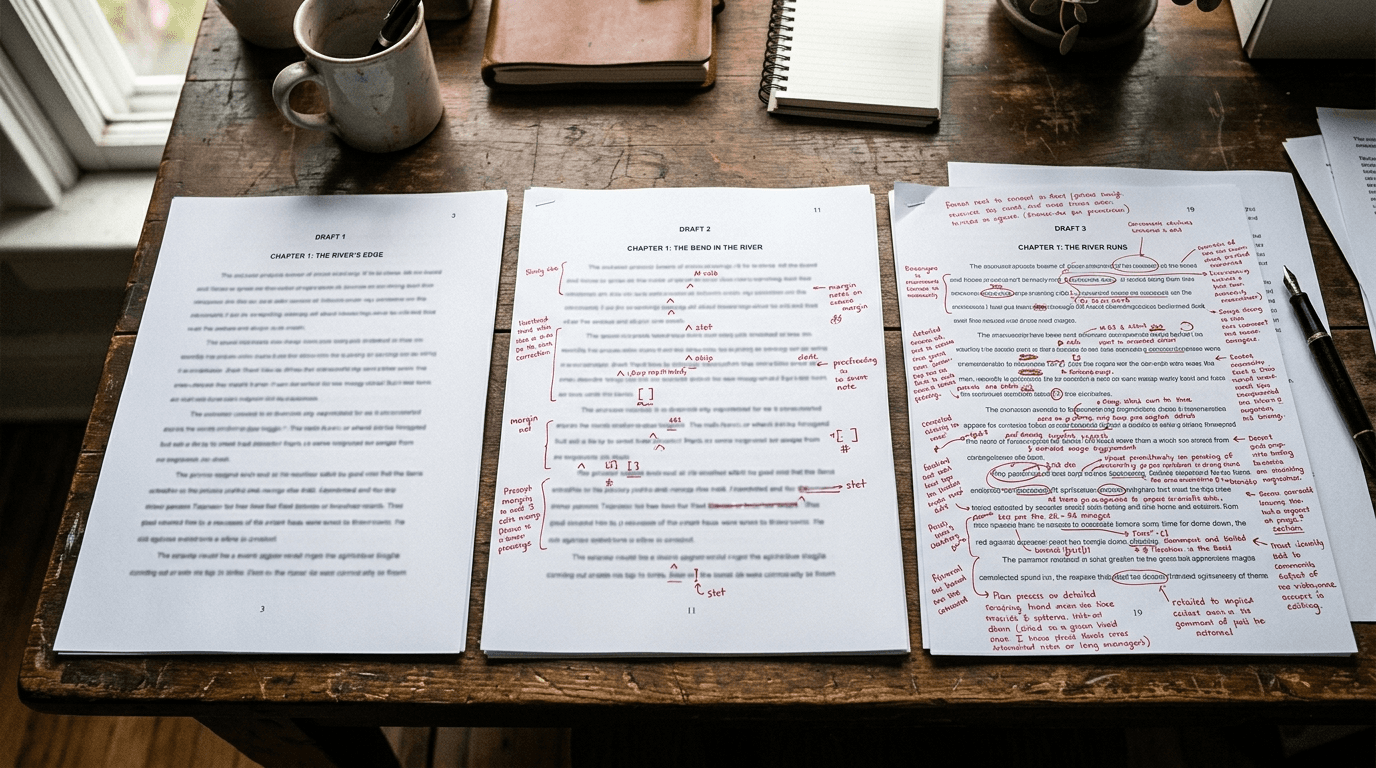
AI Content at Scale: The Three-Review Pass
Single-pass QA breaks at 20 articles per week. The three-pass architecture separates coverage check, voice fidelity, and cross-model adversarial review into distinct scopes, each with a defined owner, toolset, and artifact. Here's how to set it up.
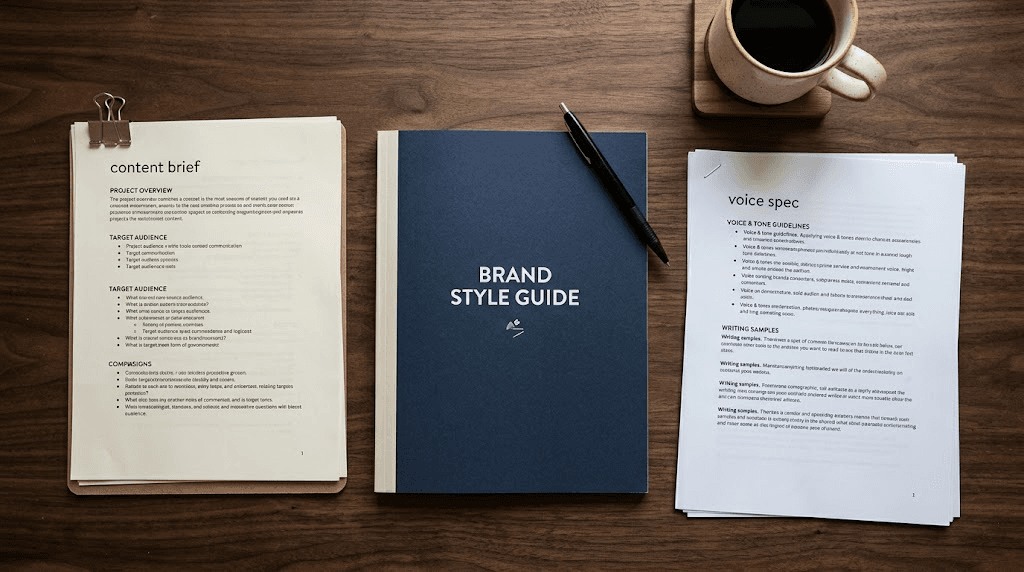
Content Brief vs Style Guide: The Third Document Your AI Content Stack Is Missing
Most content teams have two documents, the brief covers the assignment, the style guide covers the brand. Neither covers the execution layer. That gap is why AI-written content sounds like AI-written content even when both documents are strong.

The AI Content Review Checklist: 10 Checks That Catch Voice Drift Before You Publish
Voice drift happens in section 4, not section 1. AI prose that sounds specific in the opener often converges to a statistical average by the third H2. This checklist gives you a systematic, section-by-section scan to catch it before publication.